How Long Is Inpatient Drug Rehab: Typical Durations Explained

Rehab programs in Miami offer many addiction therapies to help clients heal from addiction to alcohol and many drugs of abuse, including opioids. Yes, many facilities, including Extra Mile Recovery, offer flexible treatment plans that can be adjusted based on progress. Inpatient rehab involves several stages, each designed to help individuals progress steadily toward recovery. Understanding these stages can help clarify how long is inpatient rehab and what the process entails. You can also prepare beforehand to ease your transition and minimize disruption to your life.

Alcohol Recovery Steps: A Proven Approach to Overcoming Addiction

  • The morning-after pill can stay in your system for up to 5 days, depending on factors like metabolism, liver health, and the pill type.
  • Personalized treatment plans that evolve with the individual’s progress are more effective than sticking to a fixed timeline.
  • Similarly, the severity and length of the individual’s addiction history play a substantial role, as decades of substance use require more intensive therapeutic intervention than shorter periods of misuse.

Participants engage in various therapies, including one-on-one counseling, group discussions, and educational workshops. Activities promoting physical and mental well-being, such as fitness routines or mindfulness practices, are also integrated into the schedule. With extended time to practice and internalize recovery skills, individuals are better prepared how long is drug rehab to maintain sobriety.
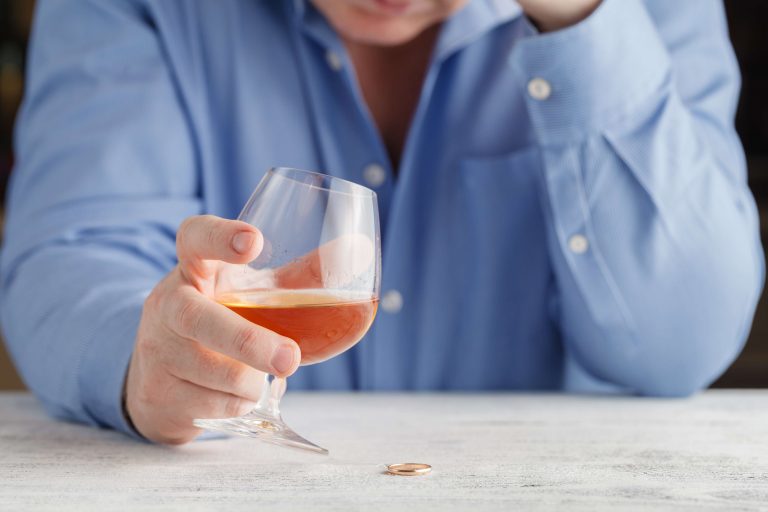
how long are drug rehab programs

United Recovery Project’s Approach to Long-Term Recovery

  • A sober home typically has a house manager who assigns household chores and enforces drug free environment rules.
  • A supportive community can beautify the recovery manner in treatment centres, potentially shortening the time needed for a rehab program.
  • These groups provide a network of individuals who share similar experiences, offering accountability and reducing feelings of isolation that often precede a return to substance use.
  • Depending on your plan, insurance may cover up to 100% the cost of treatment.

Submit the form, and one of our care coordinators will reach out to you to review your coverage and treatment options. If you’re a treatment provider and have a question, please reach out and someone from our Customer Success team will be in touch with you shortly. Accurate, complete profiles best connect you with the right people for your services. Maintain your profile by updating your photos, video links, treatment services, and contact details to ensure optimal visibility.

Common Struggles in Rehab: Alcohol and Drug Addiction Recovery

  • This therapeutic journey involves various levels of care, from medically supervised detoxification to intensive behavioral counseling.
  • Each program provides different levels of support, incorporating detox, therapy, and aftercare to promote sustained recovery.
  • Dual diagnosis care, medical detox, and behavioral therapy are often provided in long-term rehab programs.

Long-term addiction treatment incorporates a variety of therapy approaches to address the physical, emotional, and psychological aspects of recovery. Evidence-based therapies like Cognitive Behavioral Therapy (CBT) and Dialectical Behavior Therapy (DBT) help individuals develop coping skills, manage triggers, and change negative thought patterns. Holistic options such as acupuncture, meditation, yoga, and massage therapy promote relaxation and overall well-being.

how long are drug rehab programs

Day and Extended Programs

how long are drug rehab programs

At Wellbrook Recovery, detox program typically lasts 4 to 7 days, but the exact length depends on the substance involved, how severe the addiction is, and the person’s overall health. After finishing inpatient drug rehab, most clients transition to outpatient care, sober living, or ongoing therapy. Aftercare planning helps support long-term recovery by connecting you with relapse prevention resources, support groups, and community-based services. Compared to outpatient counseling and/or medication-assisted treatment (MAT), inpatient programs often yield better results for people with severe substance use disorders or alcoholism treatment co-occurring mental health conditions.

Addiction Aftercare Guide + Free Relapse Prevention Worksheet

A safe and structured environment minimizes exposure to triggers and reinforces healthy habits. Reviewing medications regularly helps prevent relapse triggers such as benzodiazepines, which may not be appropriate for individuals in recovery. Be sure to let new mental health care providers know that you’re in recovery so they can provide you with assistance that will support you as you continue your sobriety. Recovery coaching, accountability groups, and alumni support keep you connected and motivated. We’re committed to providing the resources and guidance needed for maintaining sobriety. By focusing on these critical aspects, our comprehensive drug and alcohol aftercare program in Texas aims to provide you with the tools and support needed to maintain a healthy, sober life.

What to Bring to Rehab: Essentials You’ll Actually Use

Addiction Aftercare

Trying to live with mental health conditions on your own can easily increase your risk of relapse. Depression, anxiety, bipolar disorder, PTSD, and trauma can make you feel like you need to self-medicate with drugs or alcohol. Aftercare plans can help continue to treat mental health conditions that contribute to substance use challenges.

Addiction Aftercare

After Care: The Key to Maintaining Progress After Treatment

We encourage our members to take action toward their recovery, whether it be through therapy, support groups, or other resources. When we talk about the physical dependency that is created by the use of these illicit substances, we are also talking about the withdrawal symptoms that come with abstaining. Withdrawal symptoms are the specific physical reactions that your body has once the use of drugs or alcohol has ceased. It’s one of the main reasons why many clients have not had success getting sober in the past since giving up is easier than pushing through the pain of detox. A clear relapse protocol includes an emergency contact list, immediate connection with providers, and reevaluation of the treatment plan. Taking regular stock of your sobriety-related behaviors can help you stay on the path of continued recovery.

No Wallet, No Problem: Finding Affordable Addiction Support Near You

  • Without a structured aftercare plan, it can be easy to return to old habits.
  • Motivation fluctuates over time and it’s important to utilize tools that help you stay sober even when you’re not feeling motivated.
  • From there, specific, measurable, achievable, relevant, and time-bound (SMART) goals are established for sobriety, health, work, relationships, and other areas.
  • By working closely with clients and their families, she ensures that every plan is tailored to individual needs, strengths, and aspirations.
  • Sign up to receive our quarterly eNewsletter with information on mental health, our services and events.

Whether you’re transitioning from our inpatient program or another treatment center, our aftercare plan for drug rehab offers flexible, ongoing support to fit your life. From relapse prevention strategies to community connections, we’re with you every step of the way. Recovery meetings are a pivotal component of our aftercare programs in Massachusetts and provide ongoing support to individuals navigating the journey of addiction recovery. Aftercare programs serve as a safe and supportive space Oxford House where people in recovery can share their experiences, triumphs, and challenges while gaining insight from others who have walked a similar path.

This could be https://puertoricorealestateforsale.com/halfway-house-boston-ma-866-979-8605-sober-living-2/ in the form of attending therapy sessions, participating in sobriety groups, or having a sober mentor to reach out to when things get rough. It is about stopping oneself from reverting to addictive behaviors and allowing an individual to become sober in the long run. You may be balancing rent, transportation, treatment costs, and a new routine in recovery—all at the same time. This guide explains what affordable recovery housing is, how it works in Austin, and how to evaluate options without losing sight of your budget or your sobriety goals. To see what sober housing actually looks like in Central Texas, explore our Austin sober living homes.

Why Aftercare Is Essential for Long-Term Recovery

Our sober homes offer a safe and supportive environment for individuals in recovery, providing the structure and resources they need to succeed. Whether you are seeking a peaceful suburban setting or the convenience of being close to the Denver metro city center, we have a location that is right for you. Our philosophy is centered on providing daily structure, personal accountability, community support, and a plan of action to help our residents succeed in their recovery journey.

Visit Rehab.com or call the number below to speak with someone about your treatment options and determine if your insurance will cover rehabilitation. Sober social outlets, such as meetup groups, clubs, or fitness leagues, offer healthy alternatives to environments where substances are present. From there, specific, measurable, achievable, relevant, and time-bound (SMART) goals are established for sobriety, health, work, relationships, and other areas.

What strategies are recommended for maintaining mental health after addiction treatment?

  • This period is sometimes called the “aftermath” of treatment because it follows an intense and often painful chapter.
  • Angie has dedicated her life to freeing those suffering from drug and alcohol addiction.
  • No two people’s recovery or situation are the same, so taking time to review each area of your life is an important part of correctly developing an aftercare plan.

Another important part of building your aftercare program and preventing relapse is honesty. Being honest with both you and those around you can be the difference between meaningful recovery and dangerous relapse. If your aftercare program isn’t working for you, or if you find yourself struggling to stay accountable, know there is no shame in admitting that. Reach out to your aftercare team if you need help sticking to your program. Understand that your treatment team only want what is best for you, and they will be more than willing to help. Aftercare, or continued care, is a term often applied to this stage of treatments and services, which are typically available after completing addiction treatment.

Finishing an in-person drug or alcohol rehabilitation program is a significant achievement. However, maintaining sobriety for the long term requires more than mere determination. Our program provides several avenues of continued support to help you stay accountable and committed to lasting recovery. This phase of recovery is when people apply the skills learned in treatment to real-world scenarios, which can be challenging. Aftercare offers a safety addiction aftercare net through this transition, with access to therapists, support groups, and educational workshops that reinforce coping strategies and healthy lifestyle choices. Additionally, it promotes a sense of belonging and connection with others who share similar experiences, making it easier to overcome obstacles.